
Your home’s exterior takes a beating from Perth’s weather with dust, grime and organic growth gradually building up on driveways, walls and outdoor surfaces, making everything look worn and neglected. Pressure washing offers a practical solution, but the process demands more care than most homeowners expect.
One wrong move with a pressure washer can crack pavers, strip paint or force water into places it shouldn’t go, so understanding these common mistakes helps you protect your property while achieving the clean finish you’re after. Whether you’re considering a DIY approach or planning to bring in professionals, knowing what can go wrong makes all the difference.
1. Starting in the Wrong Places
The order you choose for cleaning makes a significant impact on your final results. Many homeowners start with the dirtiest surface, then watch in frustration as dirt and water from higher areas wash down onto their freshly cleaned work.
Working from top to bottom prevents this problem entirely, so start by cleaning your roof, gutters and upper walls first, allowing debris to flow naturally downward to areas you haven’t tackled yet. This approach eliminates streaks, reduces the need for touch ups and keeps your workflow efficient.
What to do: Plan your cleaning sequence before you start. Begin with elevated surfaces and work your way down to driveways and lower areas last.
2. Misunderstanding How Pressure Washing Works
A pressure washer combines water flow, nozzle type and distance from the surface in ways that directly affect cleaning performance. Too much pressure applied too close will damage most materials, and you’ll strip paint off weatherboards, gouge timber decks, erode mortar between bricks and compromise seals around windows and doors.
Perth’s older homes require particular caution as aged materials become more fragile over time, and what works on a new concrete driveway may cause serious damage to a 30 year old brick wall.
What to do: Test your pressure washer on an inconspicuous area first. Start with lower pressure settings and increase gradually. Keep the nozzle at least 30cm from the surface and adjust based on the material you’re cleaning.
3. Using the Wrong Equipment
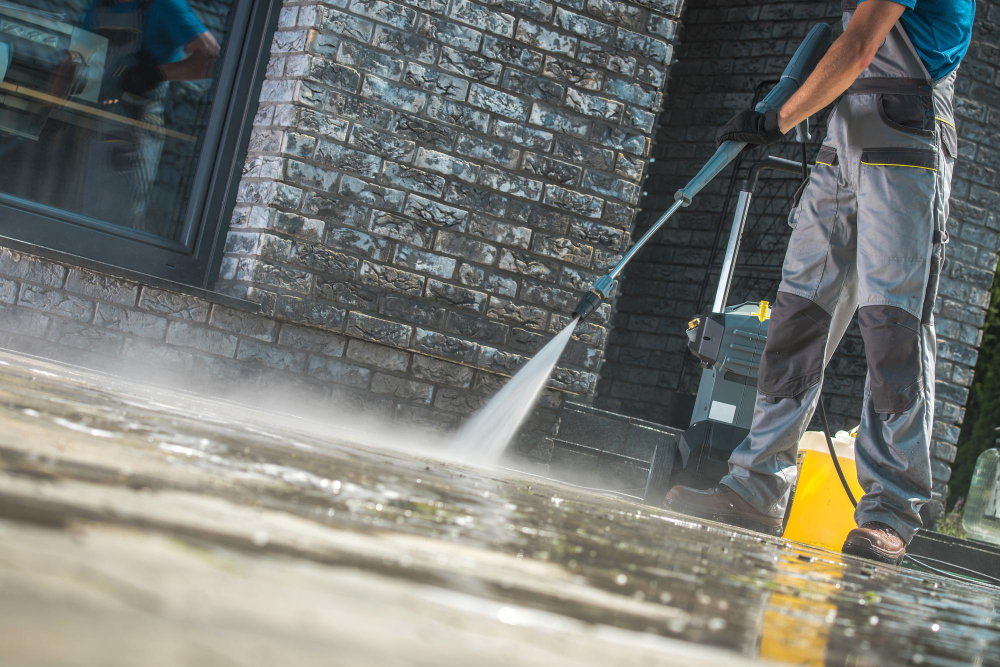
Not all pressure washers suit every job. For instance a high powered commercial unit works well on concrete but will destroy timber decking. A light duty domestic washer might struggle with heavily soiled driveways, leading you to compensate with excessive pressure or repeated passes that waste time.
The nozzle you choose matters just as much as the machine itself. A narrow 0 degree nozzle concentrates force into a pinpoint stream that can cut through materials, while a wider 40 degree nozzle spreads the pressure for gentler cleaning on delicate surfaces.
What to do: Match your equipment to the task. Use lower PSI settings and wide angle nozzles for timber, rendered walls and painted surfaces. Reserve higher pressure for concrete, brick and stone.
4. Damaging Windows, Walls and Delicate Surfaces
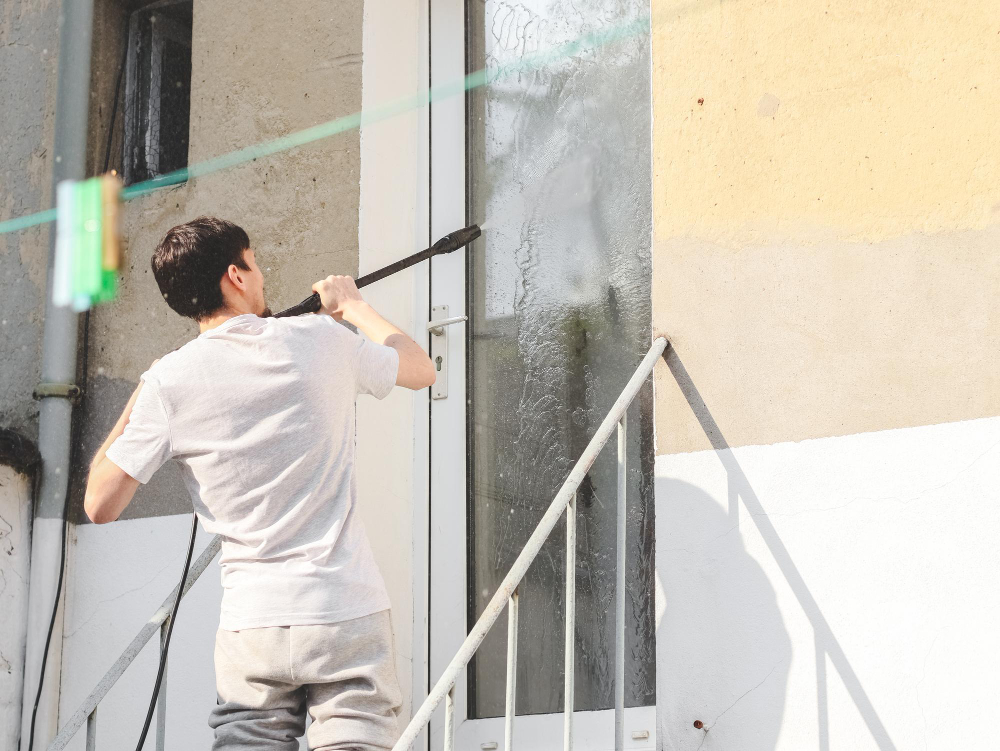
Windows present a deceptive risk during pressure washing, because even though they look solid, direct pressure can crack panes, open seals and force water into frames where it causes rot and mould growth. The damage may not show immediately, revealing itself weeks later when you notice condensation between double glazed panels or water stains on interior walls.
Rendered walls, soft mortar and certain cladding types deteriorate quickly under strong pressure. What appears to be effective cleaning may actually be removing protective surface layers, leaving the material vulnerable to moisture penetration and accelerated weathering.
What to do: Reduce pressure significantly when working near windows and delicate surfaces. Keep the wand angled downward to prevent water from being driven upward into gaps. Maintain a safe distance and let cleaning solutions do more of the work.
5. Ignoring Cleaning Solutions
Relying solely on water pressure often leads to disappointing outcomes. You’ll apply more force than necessary, increasing the risk of damage while still leaving behind stubborn stains and organic growth.
Appropriate cleaning solutions break down grime, oil stains and biological matter before water touches the surface. This means you can use lower pressure settings while achieving better results. Mould and mildew treatments also help prevent rapid regrowth, extending the time between cleanings.
What to do: Apply a suitable detergent or treatment solution before pressure washing. Allow it to dwell for the recommended time, then rinse with appropriate pressure. Choose products designed for your specific surface type.
6. Choosing Inexperienced Help
When you decide to hire assistance, selecting an inexperienced operator can cost you more than the service itself. Poorly trained pressure washers cause thousands of dollars in damage to homes each year through gouged timber, cracked render, damaged roof tiles and water intrusion.
What to do: Ask about experience with your specific surface types. Request proof of insurance. Check reviews and ask for examples of similar work completed. A professional service will assess your property properly, use appropriate equipment, and deliver consistent results without causing damage.
Get Professional Results Without the Risk
Pressure washing done properly enhances your home’s appearance and protects your investment. Understanding these common mistakes helps you make informed decisions about equipment, technique, and when to call in expert help. We provide professional pressure cleaning and solar panel cleaning and more throughout Perth. Our experienced team uses the right equipment and techniques to clean your property safely and effectively, without the risks that come with inexperienced operators or DIY attempts gone wrong.